 Save
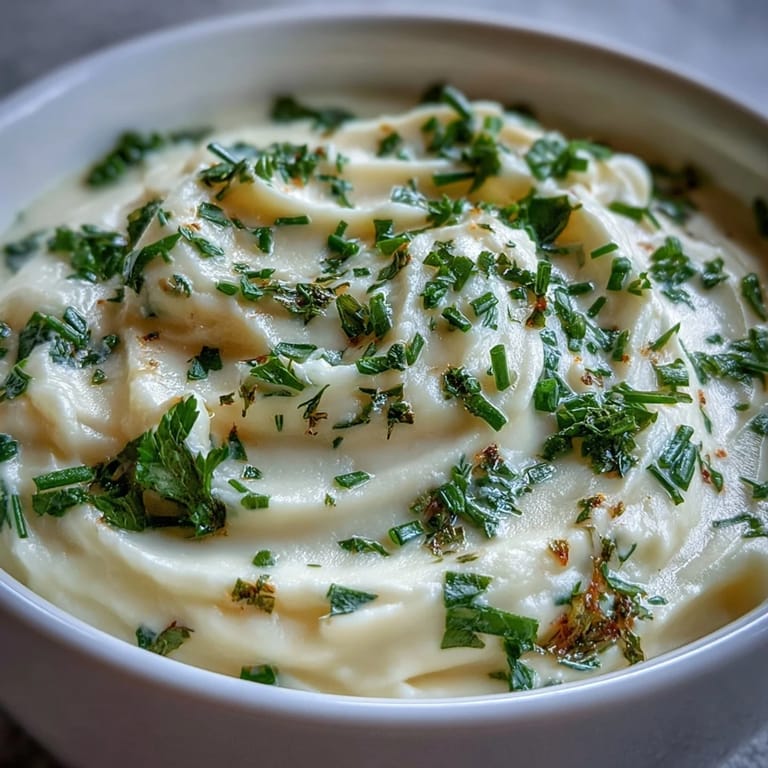
Save There's something about the smell of parsnips roasting in the oven that makes a kitchen feel instantly warmer, even on the coldest afternoons. I discovered this soup quite by accident while trying to use up vegetables before they wilted, and what started as a practical decision became something I now make whenever I want to feel genuinely comforted. The sweetness of roasted parsnips transforms into something almost luxurious when blended smooth, and the fresh herbs scattered on top bring this bright, unexpected lift that keeps it from ever feeling heavy. It's the kind of soup that tastes far more impressive than the effort it actually takes.
I'll never forget serving this to my neighbor on a gray February morning when she'd just moved in next door. She arrived looking tired from boxes and unpacking, and within twenty minutes the aroma had her asking what I was making before she'd even stepped inside my kitchen. That bowl of soup became the beginning of a real friendship, and now whenever I make it, I think about how food has this quiet power to make people feel seen and welcomed without any fuss.
Ingredients
- Parsnips (800 g, peeled and cut into 2 cm chunks): These are the stars, and roasting them brings out a natural sweetness that makes the soup taste almost buttery without any cream at all.
- Onion (1 medium, diced): The aromatic base that builds flavor quietly in the background while the parsnips do their magic in the oven.
- Garlic cloves (2, minced): Just enough to add depth without overpowering the delicate parsnip flavor.
- Potato (1 medium, peeled and diced): This creates the creamy texture naturally, so the soup feels rich even with less cream.
- Celery stalk (1, sliced): A small addition that adds complexity and keeps the flavor from being one-dimensional.
- Olive oil (2 tbsp): Use good quality if you can; 1 tablespoon roasts the parsnips while the other builds your base vegetables.
- Vegetable stock (1 L): The backbone of the soup, so choose a brand you actually like the taste of.
- Sea salt and freshly ground black pepper: Season as you go rather than all at the end; it makes a real difference.
- Double cream or crème fraîche (100 ml, optional): This adds a silky finish, but honestly, the potato makes it creamy enough that you can skip it if you prefer.
- Fresh parsley, chives, dill, and tarragon (mixed herbs, about 5 tbsp total): These are what take it from good to memorable, so don't skip them even if you only have parsley on hand.
Tired of Takeout? 🥡
Get 10 meals you can make faster than delivery arrives. Seriously.
One email. No spam. Unsubscribe anytime.
Instructions
- Get your oven ready and prep the parsnips:
- Heat your oven to 200°C (400°F) first so it's truly hot when the parsnips go in. Toss those 2 cm chunks with 1 tablespoon of olive oil and a small pinch of salt on a baking tray—they'll roast more evenly if they're not crowded together.
- Roast until golden and caramelized:
- Slide them into the oven for 25 to 30 minutes, giving the tray a gentle shake halfway through so they brown evenly all over. You'll know they're done when the edges are golden and a fork sinks through the center easily.
- Build your flavor base in the pot:
- While the parsnips are roasting, warm the remaining tablespoon of oil in a large saucepan over medium heat. Add your diced onion, minced garlic, sliced celery, and diced potato, stirring often for 5 to 7 minutes until everything softens but doesn't take on any color—this is about coaxing out sweetness, not browning.
- Combine and simmer everything together:
- Once the roasted parsnips come out of the oven, add them to the saucepan and pour in your vegetable stock. Bring it to a gentle boil, then lower the heat and let it simmer for 10 to 15 minutes until every vegetable is completely soft and yielding when you press it with a spoon.
- Blend until silky smooth:
- Remove from heat and use a stick blender, working in steady strokes until there are no visible chunks and the soup has the texture of warm velvet. If you're using a regular blender, let the soup cool slightly first, then blend in batches and pour back into the pot.
- Finish with cream and seasoning:
- Stir in the cream if you're using it, then taste and adjust with salt and pepper—go slowly here, as a single crack of pepper can change everything. If the soup feels too thick, add a splash more stock.
- Serve with a flourish of herbs:
- Reheat gently if needed, then ladle into warm bowls and scatter those fresh herbs generously on top—they're not garnish, they're an essential part of the dish.
 Save
Save There was an evening last autumn when I made this soup for my partner on the day they got some difficult news, and I watched them slowly relax with each spoonful, like the warmth and simplicity of it actually helped them think more clearly. That's when I realized this isn't just a recipe; it's a small gesture that says I care without being fussy about it.
The Magic of Roasting
Roasting parsnips might seem like an extra step, but it's genuinely the difference between a pleasant soup and one you'll crave on gray mornings. The dry heat of the oven concentrates their natural sugars and creates those deep golden edges that bring a subtle caramel note to every spoonful. I learned this the hard way by making it once without roasting, and while it was still fine, it was missing that something special that makes people ask for the recipe.
Herb Choices That Matter
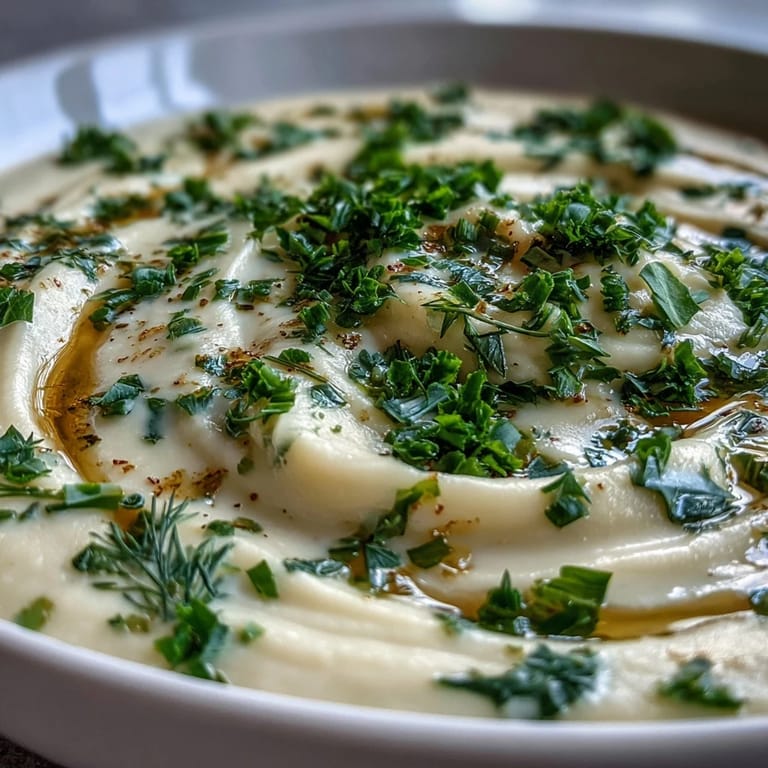
Fresh herbs are where this soup goes from weeknight dinner to something that feels intentional and a bit luxurious. Parsley is always reliable, but if you have access to fresh dill or tarragon, those herbal notes add a surprising elegance that seems to elevate the simple roasted vegetables underneath. Don't worry if you only have one or two herbs on hand; the soup works beautifully even with just parsley and chives, though mixing them creates the most interesting flavor.
Variations and Flexibility
One of the lovely things about this recipe is how forgiving it is, and how easily it adapts to what's actually in your kitchen. I've made it with leeks instead of onion, added a splash of white wine, and even stirred in some crispy sage at the end when I was feeling adventurous. The core is always the same—sweet roasted parsnips, a simple vegetable base, and bright herbs—but there's room to play.
- A squeeze of fresh lemon juice at the very end brightens everything and adds a note that keeps it from feeling too heavy or one-dimensional.
- If you want to skip the cream entirely, the potato creates enough natural creaminess that you truly won't miss it, making this naturally vegan-friendly.
- Crusty bread or a handful of toasted seeds stirred in just before serving add texture and make it feel even more complete.
 Save
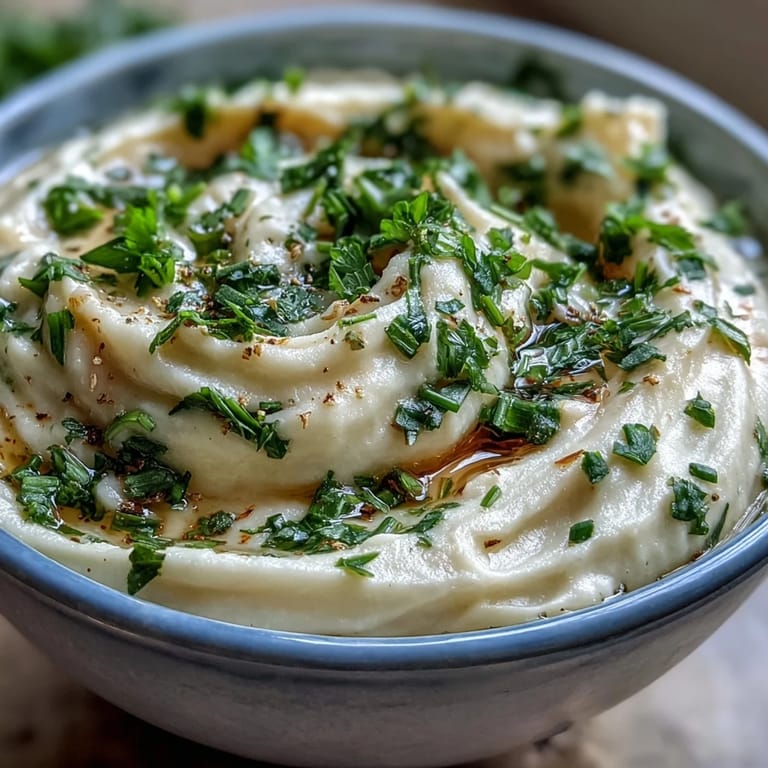
Save There's real comfort in knowing that something this nourishing and genuinely delicious can come together in less than an hour with just a handful of honest ingredients. Make this soup and you'll understand why it's become one I reach for again and again.
Recipe FAQs
- → What does parsnip soup taste like?
Parsnips offer a naturally sweet, nutty flavor similar to carrots but with earthier undertones. Roasting intensifies their sweetness, creating a subtle sweetness balanced by savory herbs and aromatic vegetables.
- → Why roast parsnips before boiling?
Roasting caramelizes the natural sugars in parsnips, developing deeper flavor and golden-brown notes. This extra step creates a more complex, rich taste compared to simply boiling raw vegetables.
- → Can I make this dairy-free?
Absolutely. Substitute the double cream with coconut cream, cashew cream, or oat cream. The soup remains silky and satisfying without any dairy products.
- → How long does this soup keep?
Store in an airtight container in the refrigerator for up to 4 days. The flavors often improve overnight. Reheat gently over medium-low heat, adding a splash of water or stock if needed to adjust consistency.
- → What herbs work best in parsnip soup?
Fresh parsley and chives provide bright, oniony notes. Dill adds anise-like sweetness, while tarragon contributes subtle licorice flavor. Use whichever combination appeals to your taste—fresh herbs make a noticeable difference.
- → Why add potato to parsnip soup?
Potato acts as a natural thickener, contributing starch that creates a smoother, more velvety texture without making the soup heavy. Its mild flavor allows the parsnip to remain the star.