 Save
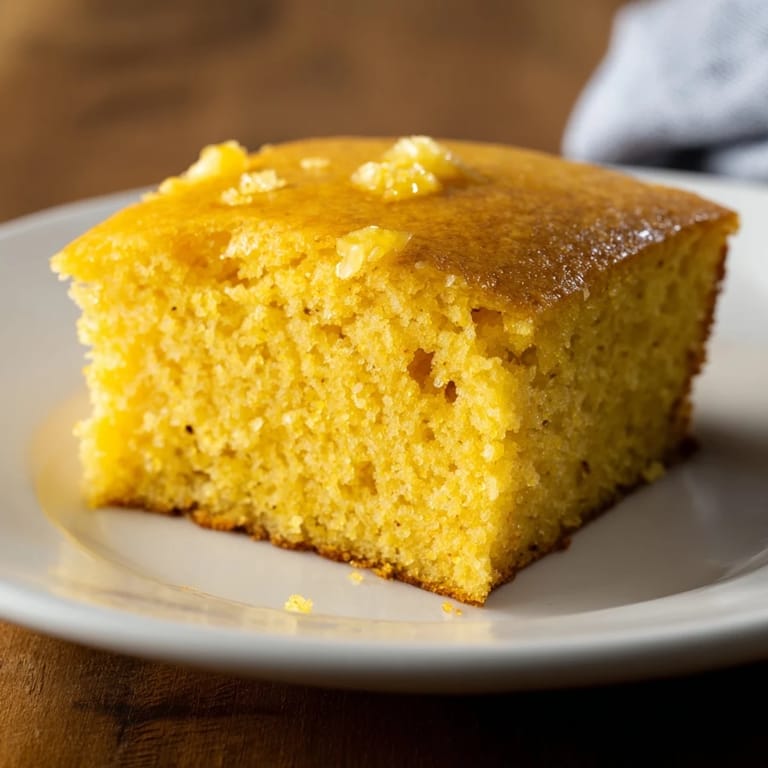
Save My grandmother's cast-iron skillet hung on the kitchen wall for years before I understood why she loved it so fiercely. The first time she let me make cornbread in that blackened pan, I watched the batter puff and turn golden while she hummed an old tune, and suddenly I got it—there's something almost magical about how a simple mixture of cornmeal and butter transforms into something warm and comforting. That skillet taught me that cornbread isn't fussy or complicated; it's just honest food that brings people together. Every time I make it now, I think of her standing beside the oven, checking that golden crust.
I remember making this for a chili party on an unexpectedly cold October evening when I'd promised to bring something, then panic-checked the clock and realized I had less than an hour. I mixed the batter in my favorite old bowl while my partner stirred the chili on the stove, and the smell of baking cornbread filled the apartment so completely that people started arriving early just following their noses. When I pulled that skillet out of the oven with the top bronzed and crackling slightly at the edges, it felt like winning something.
Ingredients
- Yellow cornmeal: This is your foundation—the coarser texture gives cornbread its distinctive bite and character that regular flour alone can't provide.
- All-purpose flour: It balances the cornmeal and helps create that tender crumb; don't skip it even if cornbread sounds like it should be all corn.
- Granulated sugar: Just enough to enhance natural sweetness without making this taste like cake, though you can adjust based on how sweet you like things.
- Baking powder and baking soda: These are your rising agents working together; the soda reacts with the milk to lift the batter while baking powder adds extra lift in the heat.
- Fine sea salt: A small amount that somehow makes everything taste more like itself, including the corn.
- Whole milk or buttermilk: Whole milk keeps it neutral and tender, but buttermilk adds a subtle tang that some people swear by for deeper flavor.
- Large eggs: They bind everything together and contribute to that tender structure that makes people reach for seconds.
- Unsalted butter and vegetable oil: Together they create richness and moisture that keeps cornbread from drying out, even a day later.
- Honey: Optional but worth considering if you like your cornbread leaning sweet rather than savory.
Tired of Takeout? 🥡
Get 10 meals you can make faster than delivery arrives. Seriously.
One email. No spam. Unsubscribe anytime.
Instructions
- Set up and preheat:
- Get your oven to 400°F and grease your pan or skillet thoroughly—this is where the golden crust happens, so don't hold back on the butter.
- Mix the dry base:
- In a large bowl, whisk cornmeal, flour, sugar, baking powder, baking soda, and salt together, making sure everything is evenly distributed so you don't hit pockets of baking soda.
- Combine the wet ingredients:
- In another bowl, whisk milk, eggs, melted butter, oil, and honey until the mixture looks smooth and unified, which takes about a minute of gentle whisking.
- Bring it together gently:
- Pour the wet mixture into the dry ingredients and stir with a spatula using just enough strokes to combine—overmixing creates tough cornbread, so stop as soon as you don't see dry flour anymore.
- Transfer to pan:
- Pour the batter into your hot greased pan and smooth the top with a spatula, letting it settle into an even layer.
- Bake until golden:
- Bake for 20–25 minutes until the top is golden brown and a toothpick inserted in the center comes out clean or with just a crumb or two clinging to it.
- Cool and serve:
- Let it rest in the pan for about 10 minutes so it sets enough to cut cleanly, then slice and serve it warm with whatever you're in the mood for.
 Save
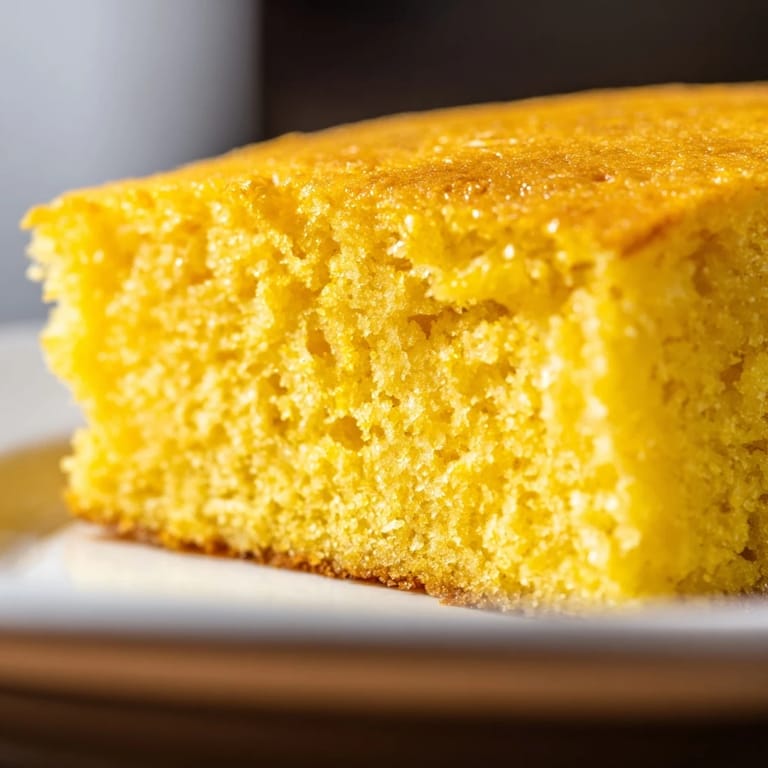
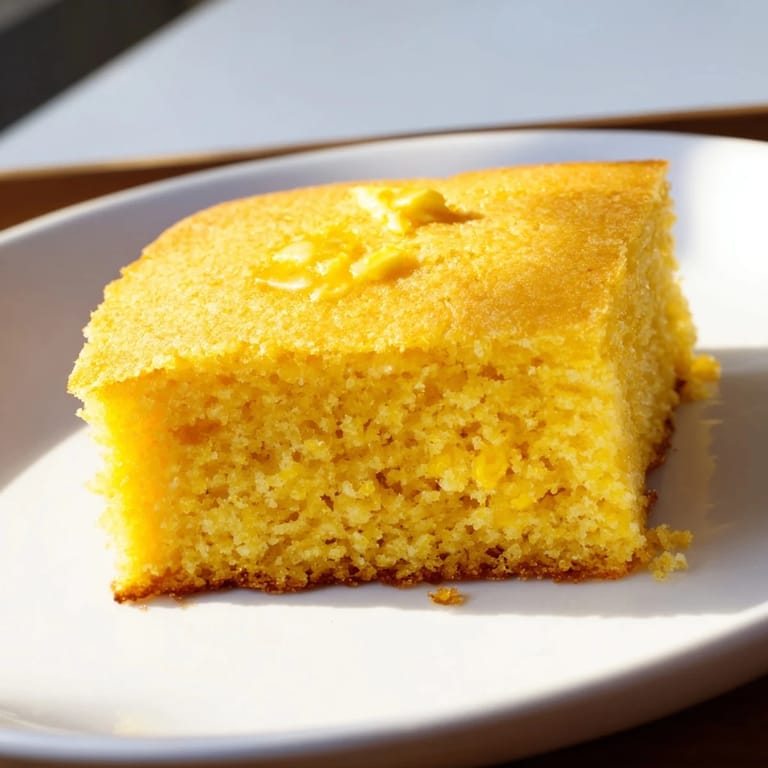
Save There was a moment during a particularly quiet Sunday afternoon when I bit into a warm slice of this cornbread with a pat of honey butter melting into the still-warm crumb, and I realized this simple bread had become part of how I cook for the people I love. It's the kind of recipe that doesn't need to be fancy or complicated to mean something.
Playing with Flavor
While the basic version is perfect on its own, I've learned that cornbread is wonderfully adaptable. Adding a cup of shredded cheddar cheese turns it savory and rich, making it less of a side and more of a statement on the plate. I've also stirred in chopped scallions for brightness or a finely diced jalapeño when I want a gentle heat that builds as you eat—these additions don't overcomplicate things but they shift the whole personality of what ends up on your table.
The Cast-Iron Difference
A cast-iron skillet isn't required, but it does something that a regular pan can't quite match. The iron distributes heat so evenly that the bottom and edges get this crispy, nearly caramelized crust while the inside stays tender, creating this wonderful textural contrast. If you don't have cast iron, a square baking pan works perfectly fine, though the crust won't be quite as dramatic.
Making It Your Own
The beauty of cornbread is how forgiving it is once you understand the basic framework. I've made it gluten-free by swapping in a 1:1 gluten-free flour blend with no real difference in outcome, and I've adjusted the sugar up or down depending on what I'm serving it with. The ratio of cornmeal to flour is really what defines it, so keep that the same and feel free to play with everything else.
- Serve warm with honey butter for breakfast or as a sweet treat that feels less guilty than cake.
- Pair it with chili or barbecue where it becomes the vehicle for all those rich sauces and toppings.
- Store leftover cornbread wrapped in foil at room temperature for a few days, then toast it back to tenderness.
 Save
Save Cornbread has a way of being exactly what you need, whether you're feeding a crowd or just yourself on an ordinary Tuesday. Make it, watch it rise and turn golden, and remember that the best recipes are the ones you come back to again and again.
Recipe FAQs
- → What type of cornmeal is best to use?
Use yellow cornmeal for a traditional flavor and texture. Medium grind works well to achieve a tender crumb with a slight bite.
- → How can I make the cornbread more moist?
Incorporate buttermilk instead of regular milk and add melted butter along with vegetable oil to enhance moisture and richness.
- → Can I add cheese or spices to the batter?
Yes, adding shredded cheddar, chopped scallions, or diced jalapeños creates a delicious savory variation.
- → What pan works best for baking this bread?
A greased 8-inch square pan or 9-inch cast-iron skillet promotes even browning and a crispy crust.
- → How do I know when the cornbread is fully baked?
The top should be golden, and a toothpick inserted into the center should come out clean, usually after 20 to 25 minutes of baking.
- → Is there a gluten-free option for this bread?
Substitute all-purpose flour with a 1:1 gluten-free flour blend to make it gluten-free without sacrificing texture.