 Save
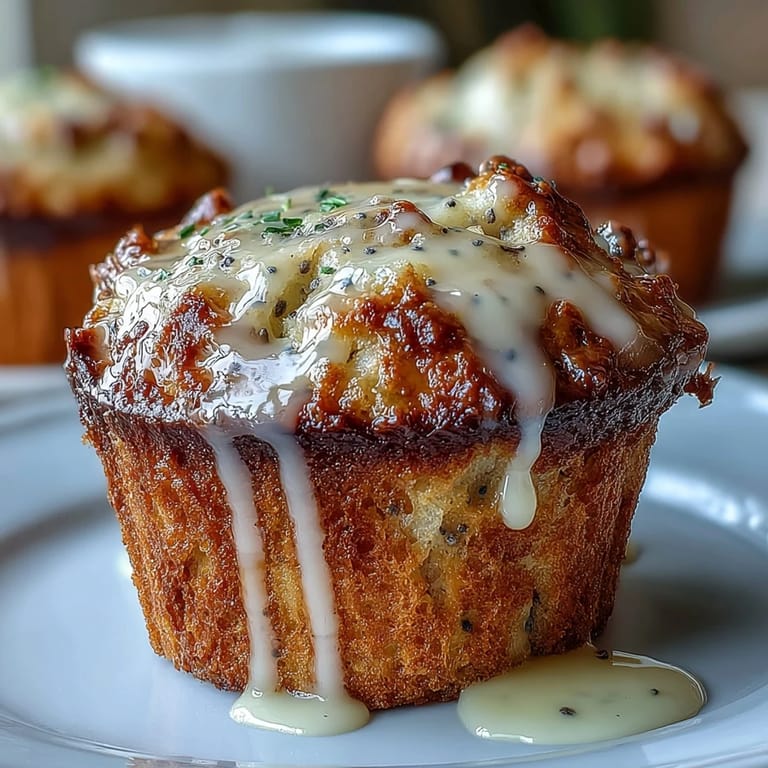
Save My neighbor knocked on my door one April morning with a basket of Meyer lemons, insisting I do something with them before they went soft. I'd never been much of a muffin baker—too fussy, I thought—but something about her enthusiasm and the way those lemons smelled made me want to try. Three hours later, my kitchen was filled with the kind of golden warmth that makes you forget it's still technically spring, and I understood why people actually bake these things on purpose.
I brought a batch to my book club meeting last month, still warm in a linen napkin, and watched three different people take seconds. One friend said they tasted like spring itself, which felt overly poetic until I realized she was right—there's something about the combination of bright lemon, delicate crumb, and that little surprise of poppy seeds that just feels like the season. Now people text me in April asking if I'm making them again.
Ingredients
- All-purpose flour: Two cups creates structure without being heavy; I've learned to spoon and level rather than scoop directly to avoid packing it down.
- Granulated sugar: Three-quarters cup sweetens the batter itself, so the glaze doesn't have to work so hard—this is the secret to muffins that don't taste oversweetened.
- Poppy seeds: Two tablespoons worth of texture; toast them briefly in a dry pan first if you want even more dimension, though it's not strictly necessary.
- Baking powder and baking soda: One and a half teaspoons of one plus half a teaspoon of the other creates lift without that metallic aftertaste you get when the ratio's off.
- Salt: Half a teaspoon seems small but it's what makes you taste the lemon instead of just sweetness.
- Eggs: Two large ones at room temperature emulsify better and create a more tender crumb than cold eggs straight from the fridge.
- Whole milk or buttermilk: Three-quarters cup; buttermilk adds a subtle tang that makes the lemon brighter, though regular milk works beautifully too.
- Unsalted butter: Half a cup melted and cooled slightly so it doesn't scramble the eggs when they mix together.
- Fresh lemon juice: A quarter cup from about two lemons is the backbone here—bottled juice will give you a flat, slightly bitter result you'll regret.
- Lemon zest: From two lemons, using a microplane so you get only the fragrant yellow part and none of the bitter white pith.
- Vanilla extract: One teaspoon rounds out the flavor and keeps the lemon from being the only voice in the room.
- Powdered sugar: One cup for the glaze, whisked gradually with lemon juice until you reach that sweet spot between pourable and thick.
Tired of Takeout? 🥡
Get 10 meals you can make faster than delivery arrives. Seriously.
One email. No spam. Unsubscribe anytime.
Instructions
- Heat your oven and prepare the tin:
- Preheat to 375°F and line your muffin tin with paper liners or a light grease—paper liners make them easier to peel away while still warm, which is always nice. Set everything aside so you're not fumbling when the batter's ready.
- Combine the dry team:
- Whisk together flour, sugar, poppy seeds, baking powder, baking soda, and salt in a large bowl until everything's evenly distributed. This step matters because it ensures the leavening agents spread throughout instead of creating pockets of over-risen dough.
- Blend the wet ingredients:
- In a separate bowl, whisk eggs, milk, melted butter, lemon juice, lemon zest, and vanilla extract until they're all talking to each other. You'll see the mixture lighten slightly and become pale; that's when you know the eggs are properly incorporated.
- Bring them together gently:
- Pour the wet mixture into the dry ingredients and stir with a spatula just until the flour disappears—lumps are your friend here, overmixing is your enemy. This is where patience matters; keep stirring after the flour vanishes and you'll develop the gluten too much, making dense muffins.
- Fill the tin:
- Divide batter evenly among the twelve cups, filling each about three-quarters full. If you have a small ice cream scoop, use it; it's the only tool that keeps portions truly even.
- Bake until golden:
- Bake for 16 to 18 minutes until a toothpick inserted into the center comes out clean or with just a few moist crumbs. Your oven might run hot or cool, so start checking at 15 minutes.
- Cool with intention:
- Let muffins rest in the tin for 5 minutes before transferring to a wire rack to cool completely; removing them too early makes them stick, waiting too long makes them stubborn. Once they're cool, they're stable enough for the glaze without the glaze melting into the crumb.
- Make the glaze:
- Whisk powdered sugar and lemon juice together gradually, adding juice a tablespoon at a time until you reach a consistency that drizzles without running off the muffin. Stir in lemon zest if you want visible specks and extra flavor.
- Glaze and set:
- Drizzle glaze over completely cooled muffins with a spoon or small whisk, letting it pool slightly on top. Let it set for 10 minutes before serving so it firms up just enough to keep your fingers clean.
 Save
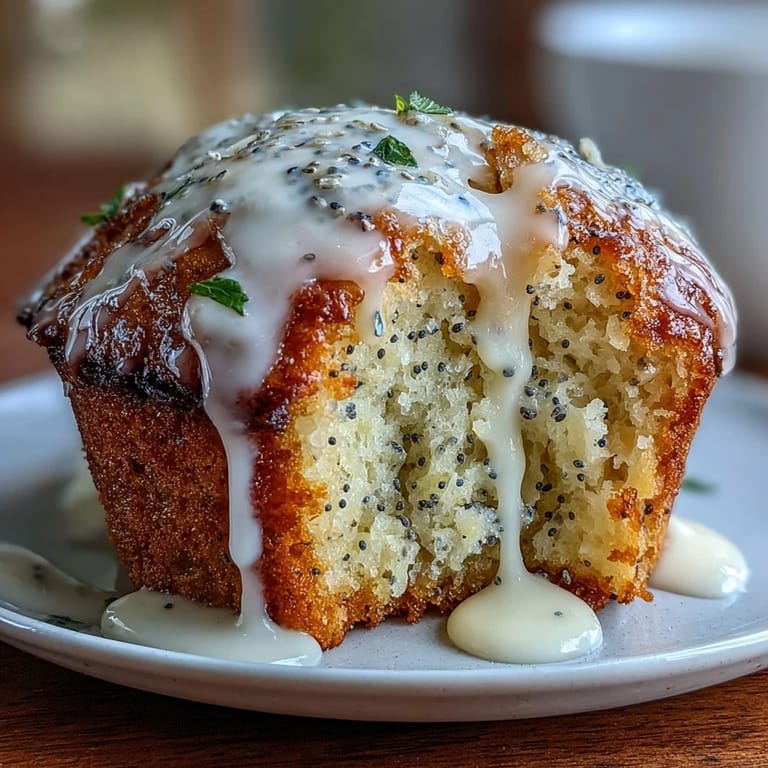
Save There's a moment when you pull these out of the oven and the kitchen smells so aggressively like lemon that you can't imagine eating anything else ever again. That's the moment I knew I'd turned into someone who actually bakes things, and I'm at peace with that identity now.
Why Fresh Lemon Is Non-Negotiable
I tried bottled lemon juice once as a shortcut and the muffins tasted like artificial sweetener and regret. Fresh lemons cost about the same and take thirty seconds to juice, and the difference is the entire point of making these muffins instead of buying a box mix. The brightness comes from real citrus oil and juice complexity, not chemical citric acid.
The Poppy Seed Moment
Those little black specks are what separates these muffins from a hundred other lemon muffins you could make. They add texture and visual interest, but more importantly they give you something to discover—each bite isn't identical to the last, which keeps eating them from feeling monotonous. I've started toasting them for 30 seconds in a dry pan before adding them to the batter, which deepens their nuttiness, though it's entirely optional.
Storage and Variations
These muffins stay fresh at room temperature in an airtight container for two days, though I've never had a batch last that long. If you want them lighter, substitute Greek yogurt for half the butter, which adds protein and tang without making them dry. For extra lemon flavor, add more zest to the batter or use Meyer lemons if you can find them, since they're less acidic and almost sweet.
- Pair these with Earl Grey tea for an afternoon that feels intentional, or a sparkling mimosa if brunch is more your style.
- Make the glaze thinner if you prefer barely-there sweetness, or thicker if you're glaze-forward like some people I know.
- Freeze cooled, un-glazed muffins in a freezer bag for up to three months, then glaze them after thawing for fresh-baked flavor whenever you need it.
 Save
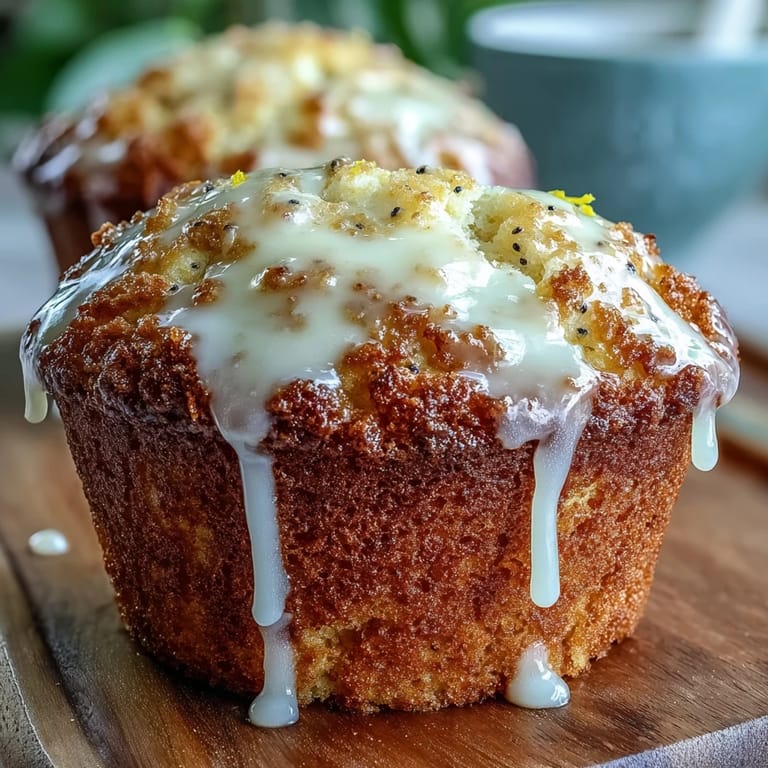
Save These muffins feel like spring in a paper liner, bright and uncomplicated in the best way. Keep making them until someone asks for the recipe, then you'll know you've got something worth sharing.
Recipe FAQs
- → What gives muffins their lemon flavor?
The fresh lemon juice and lemon zest are what infuse these muffins with bright, zesty flavor.
- → How do poppy seeds affect the texture?
Poppy seeds add a slight crunch and subtle nuttiness that complements the soft, moist crumb.
- → Can I substitute buttermilk with regular milk?
Yes, using buttermilk adds a slight tang and tender crumb, but whole milk works well as a substitute.
- → What’s the purpose of the lemon glaze?
The glaze adds a sweet, tangy finish and a shiny appearance, enhancing both flavor and presentation.
- → How should I store these muffins?
Store muffins in an airtight container at room temperature for up to two days to maintain freshness.
- → Can I add extra lemon zest for more flavor?
Absolutely, increasing the lemon zest in the batter or glaze intensifies the citrus aroma and taste.