 Save
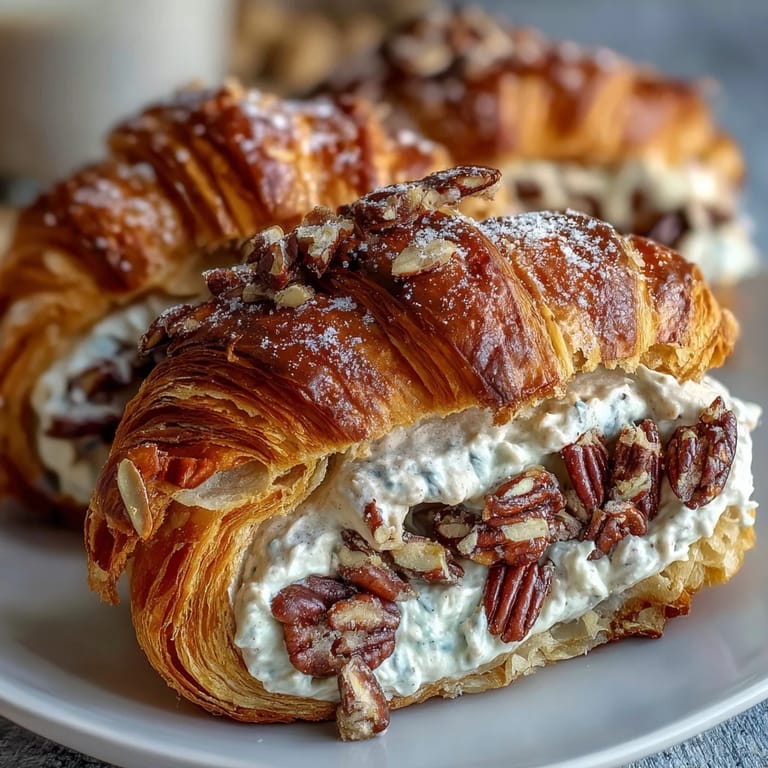
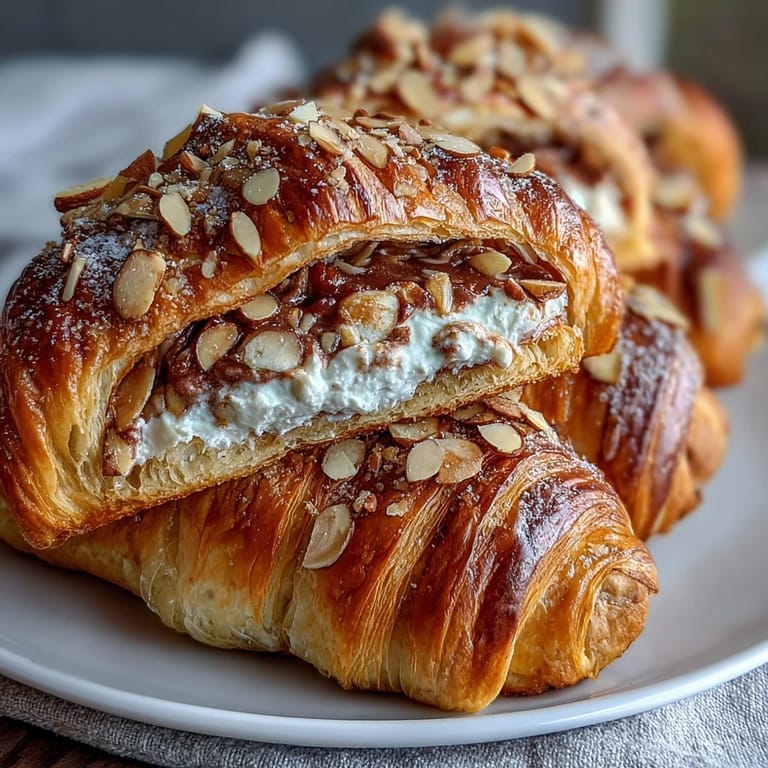
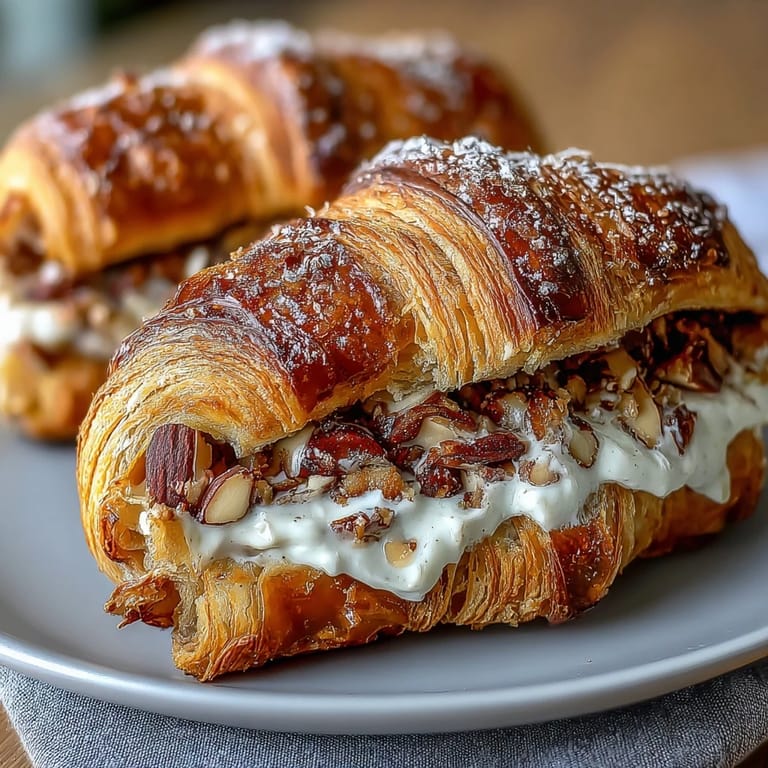
Save My neighbor Sarah showed up one Sunday morning with a box of French almond croissants from the patisserie down the street, and I spent the whole time thinking about how to recreate that buttery, almond-filled magic at home without spending hours laminating dough. One lazy afternoon, I raided my freezer for store-bought sourdough pizza dough and wondered if I could cheat my way to something just as good. Turns out, you absolutely can, and these rolls have become my secret weapon for impressing people over coffee without the fuss. The tangy sourdough base plays beautifully against the sweet, marzipan-like almond cream inside, and honestly, nobody's ever asked me for the shortcut version of the story.
I made these the morning my sister was visiting with her new partner, and I remember standing there with powdered sugar dusting my dark sweater while they both reached for seconds before the coffee was even poured. There's something about watching someone bite into something warm and flaky that you made yourself, especially when their eyes light up and they stop mid-conversation to just enjoy it. That's when I knew this recipe had staying power.
Ingredients
- Store-bought or homemade sourdough pizza dough (1 lb / 450 g): This is your shortcut to lamination without actually laminating; the sourdough adds a gentle tang that keeps these from tasting like generic pastries, and it's honestly sturdy enough to handle the almond cream without falling apart.
- Almond flour (1/2 cup / 60 g): Buy it in small quantities so it stays fresh, because rancid almond flour tastes like regret in a pastry.
- Granulated sugar (1/4 cup / 50 g): This sweetens the cream and also helps it stay spreadable; don't skip it or reduce it thinking you're being healthy.
- Unsalted butter, softened (1/4 cup / 55 g): Softened means you can press it with your finger and it yields—not melted, not cold from the fridge, but like a tiny pillow of butter.
- Large egg (1): This binds everything and gives the almond cream body; room temperature is better because it mixes more evenly.
- Vanilla extract and almond extract (1/2 tsp each): Both matter here—the vanilla rounds out the almond flavor and keeps it from tasting too one-note.
- Salt (pinch): A pinch wakes up all the other flavors and prevents the filling from being cloying.
- Sliced almonds (1/2 cup / 50 g): Toast them lightly in a dry pan for two minutes before using if you want them to taste even nuttier and less like cardboard.
- Milk (2 tbsp): This acts as your egg wash, giving the rolls that golden, slightly glossy finish.
- Powdered sugar (2 tbsp): A final dusting right before serving looks elegant and tastes like a little sweet surprise with each bite.
Tired of Takeout? 🥡
Get 10 meals you can make faster than delivery arrives. Seriously.
One email. No spam. Unsubscribe anytime.
Instructions
- Heat your oven and prepare your space:
- Preheat to 375°F (190°C) and line a baking sheet with parchment paper so nothing sticks and cleanup feels less like a punishment. This is the moment to clear your counter because rolling dough needs room to sprawl.
- Roll out your dough into a rectangle:
- On a lightly floured surface, stretch and roll the sourdough dough into a 12x16-inch rectangle—think of it like you're creating a flat canvas, and it's okay if the edges are a little wiggly because they'll even out. You want it thin enough to roll without cracking, but thick enough that the dough still has some substance to it.
- Make the almond cream:
- In a bowl, cream the softened butter and sugar together until it looks pale and fluffy—this takes maybe two or three minutes of mixing and signals that air is getting incorporated. Add the almond flour, egg, both extracts, and salt, then mix until everything is smooth and spreadable like soft frosting.
- Spread the almond cream evenly:
- Dollop the cream onto your rectangle and spread it in an even layer, leaving a half-inch border around all the edges so it doesn't squish out everywhere when you roll. A small offset spatula or the back of a spoon works perfectly here.
- Roll and cut:
- Starting from one of the long edges, roll the dough tightly toward you like you're making a spiral—the snugger you roll, the flakier your end product. Use a sharp knife to cut the log into 8 equal pieces, wiping the blade between cuts so you get clean edges.
- Position the rolls for baking:
- Place each piece cut-side up on your parchment-lined sheet, leaving a bit of space between them because they'll puff up. If any look a little lopsided, just gently reshape them with your hands.
- Add the milk and almonds:
- Brush the tops lightly with milk using a pastry brush, then sprinkle with sliced almonds—this is what makes them look bakery-worthy and adds that pleasant crunch and visual appeal.
- Bake until golden:
- Bake for 22 to 25 minutes until the rolls are puffed and golden brown, which usually happens right around when your kitchen smells so good you can barely stand it. If they're browning too fast, lower the oven temperature by 25°F and add a few more minutes.
- Cool and finish:
- Let them cool for just a few minutes—they're best served still warm—then dust generously with powdered sugar right before serving for that snow-dusted look.
 Save
Save There was a Tuesday morning when I made these for a friend who'd been having a rough week, and watching her literally pause and close her eyes while eating one felt like I'd done something that mattered beyond just mixing flour and butter. That's when food stops being about technique and becomes about saying something without words.
Why Sourdough Changes Everything
The sourness of the dough is subtle enough that it doesn't scream vinegar, but it adds a depth that makes people tilt their heads and say something tastes different in a good way. It's like the difference between elevator music and jazz—technically both are music, but one has character. The fermentation in sourdough also creates better texture and makes the rolls stay fresher longer if you somehow have leftovers, which honestly rarely happens in my house.
The Almond Cream Is the Real Star
Frangipane—which is just a fancy word for almond cream—was originally made by people who wanted to use expensive almond paste in a way that made it stretch across more pastries. It's essentially butter, sugar, almond flour, and an egg playing together, and once you understand how simple it is, you'll start putting it in everything. The egg is crucial because it transforms what would otherwise be gritty almond flour into something smooth and luxurious; without it, you'd just have sweetened powder between layers of dough.
Timing and Temperature Matter More Than You Think
The exact baking time depends on your oven, because every oven has its quirks and moods, but 22 to 25 minutes at 375°F is a solid starting point. I learned the hard way that pulling them out just slightly under-baked means the almond cream stays a bit runny, which sounds nice until you're holding a hot roll and almond cream is dripping onto your shirt. The rolls should be puffed and golden, not pale or doughy in the middle.
- If your oven runs hot, start checking at 20 minutes and go from there rather than waiting for the full time.
- Let them cool for at least two minutes so the structure sets, but eat them while they're still warm because cold croissants just aren't as magical.
- Store leftovers in an airtight container and reheat them briefly in a 300°F oven if you somehow have any after day one.
 Save
Save These rolls have become my answer to the question of what to bring to a gathering when you want to seem like you've spent all morning in the kitchen but actually spent twenty minutes of actual work. They're forgiving, they're delicious, and they make your kitchen smell like a French bakery, which might be the highest compliment any recipe can achieve.
Recipe FAQs
- → What type of dough is best for these rolls?
Using sourdough pizza dough, whether store-bought or homemade, gives the rolls a light, tangy texture that bakes up flaky and golden.
- → Can I substitute almond flour in the cream?
Almond flour provides essential nutty flavor and texture; substitutes may change the final consistency and taste significantly.
- → How can I ensure a flaky crust?
Brushing the dough with melted butter before adding the filling enhances flakiness and richness.
- → What is the purpose of the almond and vanilla extracts?
These extracts deepen the almond flavor and add aromatic notes that complement the creamy filling beautifully.
- → Are the rolls best served warm or cooled?
Best enjoyed slightly warm to savor the soft almond filling and crisp exterior, though they remain tasty at room temperature.