 Save
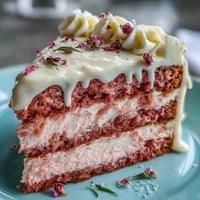
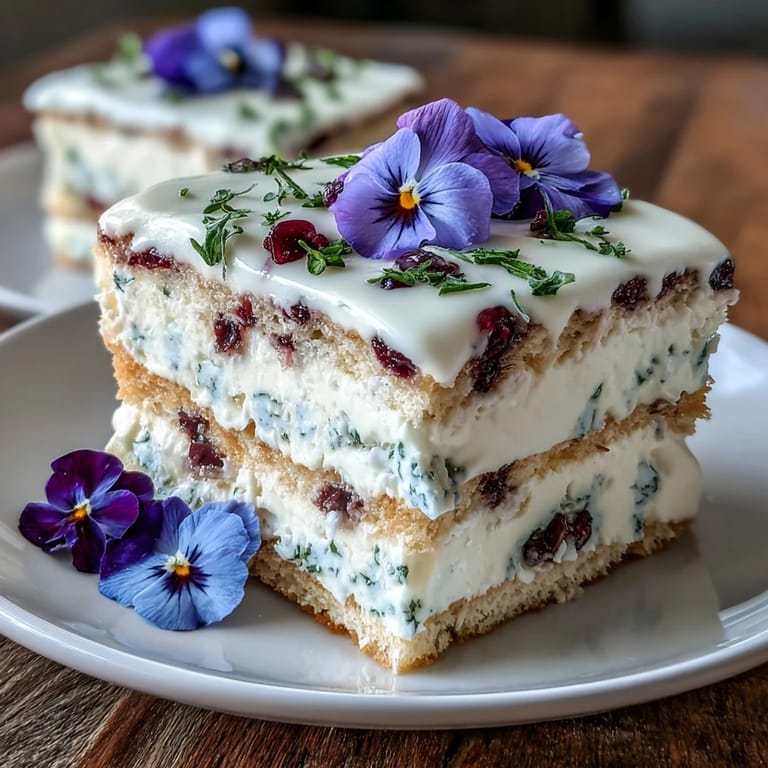
Save There's something about spring that makes you want to bake something that looks as beautiful as it tastes. I found myself standing in a flower market on a Saturday morning, completely mesmerized by trays of pressed violets and pansies, when it hit me that these delicate blooms deserved to live on a cake. This vanilla cake with whipped cream became my answer to that moment—light enough to feel like spring itself, elegant enough to make people pause before cutting into it, and forgiving enough that you won't stress if the frosting isn't perfectly smooth.
I made this for a friend's birthday tea party last April, and watching everyone carefully examine the flowers before taking a bite reminded me that food doesn't have to be complicated to feel special. Someone asked if I'd made the flowers myself, and when I explained they were just pressed pansies from the garden, the whole table wanted to know how to do it. That's when I realized this cake wasn't really about impressing anyone—it was about inviting them into something gentle and intentional.
Ingredients
- All-purpose flour (2 1/2 cups): Sift it with the leavening agents to catch any lumps and aerate the mixture, which keeps your cake from becoming dense.
- Baking powder (2 1/2 tsp): This is your lift, so measure carefully and don't skip the sifting step or you'll end up with pockets of baking powder.
- Salt (1/2 tsp): A small amount brightens the vanilla and prevents the cake from tasting one-dimensional.
- Unsalted butter (1 cup, softened): Room temperature butter creams into the sugar properly, creating the fluffy base everything else relies on.
- Granulated sugar (1 3/4 cups): This feeds your mixer work during creaming and helps create a tender crumb structure.
- Large eggs (4, room temperature): Cold eggs won't incorporate smoothly and will make your batter look curdled, so take them out of the fridge ahead of time.
- Pure vanilla extract (1 tbsp): Don't use imitation—it fades during baking and the delicate flavor of this cake deserves the real thing.
- Whole milk (1 cup, room temperature): The liquid helps develop gluten structure while keeping everything tender.
- Heavy whipping cream (2 cups, cold): Chill your bowl and beaters too, or the cream won't whip to proper peaks.
- Powdered sugar (1/2 cup): This dissolves into the cream without adding graininess like granulated sugar would.
- Pressed edible flowers (1/2–1 cup): Use only flowers you know are edible and unsprayed—check with a reliable source or grow them yourself if you're uncertain.
- Fresh mint leaves (optional): These add a subtle green note and look lovely tucked between the flowers.
Tired of Takeout? 🥡
Get 10 meals you can make faster than delivery arrives. Seriously.
One email. No spam. Unsubscribe anytime.
Instructions
- Prepare your pans:
- Preheat to 350°F and grease two 8-inch round pans with butter, then line the bottoms with parchment paper. This two-step process ensures your cakes release cleanly without sticking or cracking.
- Mix your dry ingredients:
- Sift flour, baking powder, and salt together into a medium bowl, then set aside. Sifting is the secret to avoiding lumps that would create dense pockets in your finished cake.
- Cream butter and sugar:
- Beat them together in a large bowl for 3–4 minutes until the mixture looks pale and fluffy, like fluffy clouds. You should be able to see the texture actually change—this is where the magic of aeration happens.
- Add eggs carefully:
- Add one egg at a time, mixing after each addition so the batter stays emulsified and smooth. If you dump all the eggs in at once, the batter will look broken and separated.
- Stir in vanilla:
- Mix the vanilla extract into your egg mixture, letting it distribute fully. The vanilla is what makes this taste like a real cake and not just something sweet and generic.
- Alternate wet and dry:
- Add flour mixture and milk in three parts, starting and ending with flour—so flour, milk, flour, milk, flour. Mix until just combined because overmixing develops too much gluten and makes the cake tough rather than tender.
- Divide batter evenly:
- Pour the batter into your prepared pans and smooth the tops with a spatula. Equal layers mean your cake won't tip or bake unevenly.
- Bake until golden:
- Bake for 30–35 minutes, checking at 30 minutes with a toothpick inserted in the center. When it comes out clean or with just a few moist crumbs, you're done—don't overbake or the cake will be dry.
- Cool properly:
- Let the cakes cool in their pans for 10 minutes to set slightly, then turn them out onto wire racks to cool completely. Cooling them entirely before frosting prevents the frosting from melting off.
- Make the frosting:
- In a very cold bowl with cold beaters, whip heavy cream, powdered sugar, and vanilla until stiff peaks form. This takes about 3–4 minutes depending on your mixer, and it's ready when you can see defined peaks that hold their shape.
- Assemble the cake:
- Place one cake layer on your serving plate, spread a generous layer of whipped cream on top, then set the second layer on top. Frost the top and sides with remaining cream, making the sides rustic if that's easier—the flowers will hide any imperfections anyway.
- Decorate with flowers:
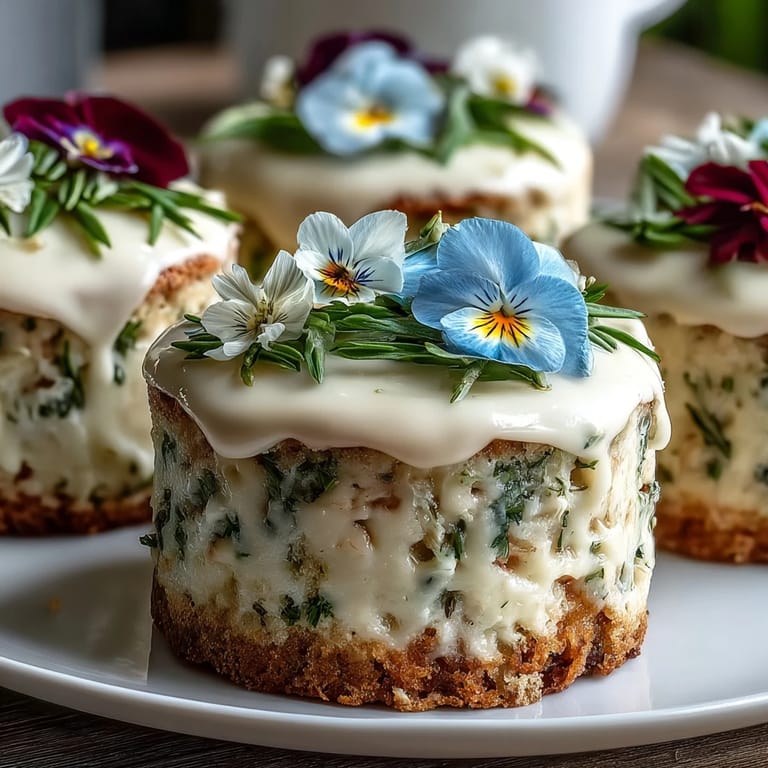
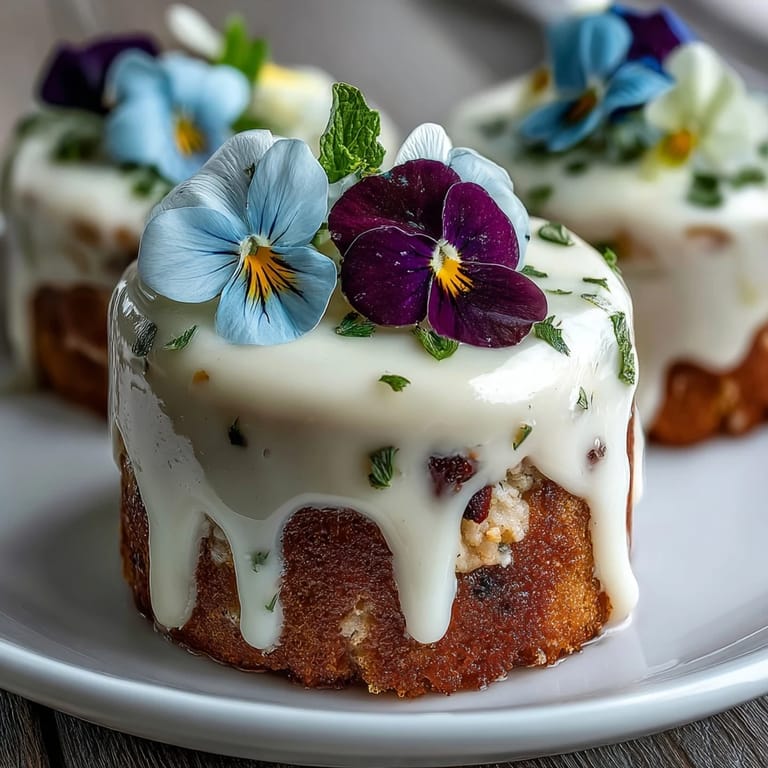
- Gently press your dried edible flowers onto the frosting, arranging them as you go. Scatter mint leaves around if you're using them, and step back occasionally to see how it looks from a distance.
- Chill before serving:
- Refrigerate for at least 30 minutes so the frosting sets and the flavors have time to meld slightly. This also makes the cake easier to slice without the frosting smearing.
 Save
Save One afternoon, my neighbor watched me decorating a cake like this and mentioned she'd never thought about making something she considered too fancy. I sent her home with a small slice and the pressed flowers from my garden, and a week later she texted me a photo of her own cake, flowers and all. That's when I understood this recipe isn't really about technique or intimidating steps—it's permission to make something beautiful without overthinking it.
About Pressing Your Own Flowers
If you want to press flowers yourself instead of buying them pre-pressed, pick them in the morning after the dew dries, choosing blooms that are just barely open. Layer them between parchment paper, place them in a heavy book or flower press, and leave them in a dry, dark spot for at least 24 hours—longer is fine. Violets, pansies, nasturtiums, and rose petals all press beautifully, and there's something satisfying about using flowers you've prepped yourself instead of buying them.
Why Whipped Cream Over Buttercream
Buttercream can feel heavy and mask the actual flavor of a delicate vanilla cake, but whipped cream frosting tastes like clouds and lets every part of the cake shine through. It's lighter on the palate and pairs better with the subtle earthiness of the pressed flowers—nothing fights for attention. The downside is that whipped cream doesn't keep as long, so you'll want to serve this cake the day you make it for the best texture and presentation.
Variations and Flavor Tweaks
Once you have the basic cake and frosting down, there are gentle ways to shift the flavor without overwhelming the delicate vibe. A teaspoon or two of lemon or orange zest stirred into the batter adds brightness, or you could infuse the whipped cream by whisking in a few drops of rose water or a touch of lavender extract.
- For a citrusy version, add 1–2 tsp of lemon or orange zest to the batter before dividing it between pans.
- A whisper of rose water or lavender extract in the whipped cream frosting echoes the flower decoration beautifully without overpowering it.
- If you want to make this ahead, bake and cool the cake layers a day in advance, then frost and decorate just a few hours before serving.
 Save
Save This cake reminds me that some of the most memorable desserts aren't the ones with the longest ingredient lists or the trickiest techniques—they're the ones that make people smile when they see them. Serve it with tea or sparkling wine, and watch how it changes the whole mood of a gathering.
Recipe FAQs
- → How do I press edible flowers properly?
Place flowers between parchment paper and press under heavy books for at least 24 hours to flatten and dry them without losing color.
- → Can I use other types of flowers for decoration?
Yes, violets, pansies, nasturtiums, rose petals, and chamomile are all safe and visually appealing options.
- → What is the best way to achieve a light cake texture?
Cream softened butter and sugar until fluffy, add eggs one at a time, and alternate adding dry ingredients and milk just until combined to avoid overmixing.
- → How long should the cake be chilled before serving?
Chill the decorated cake for at least 30 minutes to set the whipped cream and secure the floral decorations.
- → Are there any suggested beverage pairings?
Pair this cake with a light sparkling wine or fragrant floral tea to complement its delicate flavors.