 Save
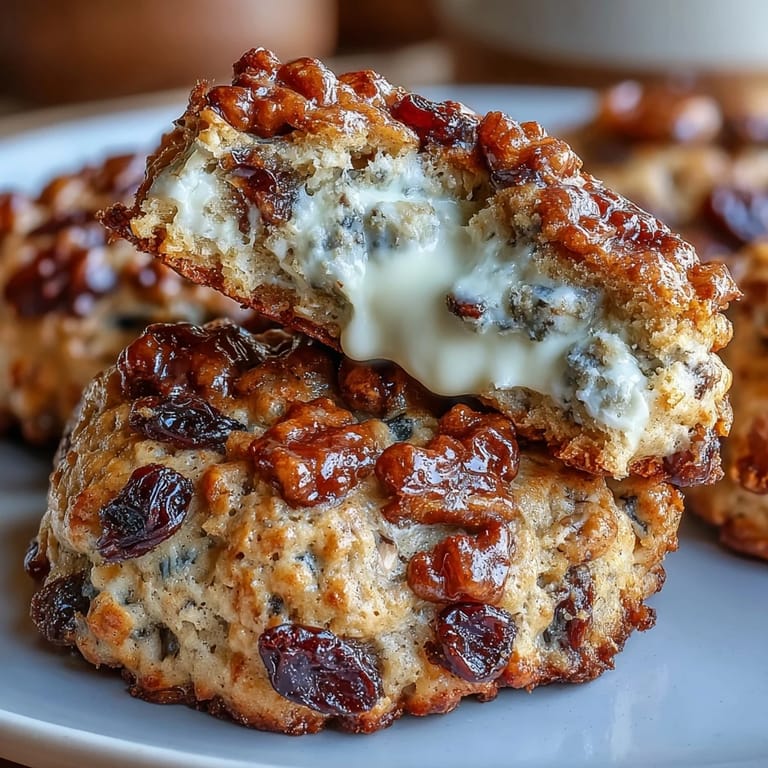
Save My roommate once left a container of cottage cheese in my fridge with a sticky note that said, "Please use this before it expires." Rather than toss it, I had a wild thought at 6 a.m.—what if I baked it into breakfast cookies? The result was softer, more tender than any cookie I'd made before, and suddenly I was packing them in my bag for rushed mornings. That accidental experiment became something I now make intentionally, because protein-packed cookies that taste like dessert but work for breakfast feel like a minor kitchen miracle.
I brought these to a potluck once labeled only as "breakfast cookies," and someone ate three before realizing they weren't dessert—but decided it didn't matter. That moment of delighted confusion is when I knew they'd become a regular in my rotation, the kind of thing people ask for because they can't quite guess what makes them so good.
Ingredients
- Cottage cheese: This is your secret weapon for moisture and protein; use full-fat if you want richness, low-fat if you prefer lightness, but don't skip it entirely or your cookies lose their signature tender crumb.
- Old-fashioned rolled oats: They give you texture and substance, plus they help these cookies hold together without relying on extra flour.
- Whole wheat flour: This adds mild nuttiness and structure while keeping things wholesome.
- Brown sugar and honey: Together they create a deeper sweetness that feels less processed than white sugar alone.
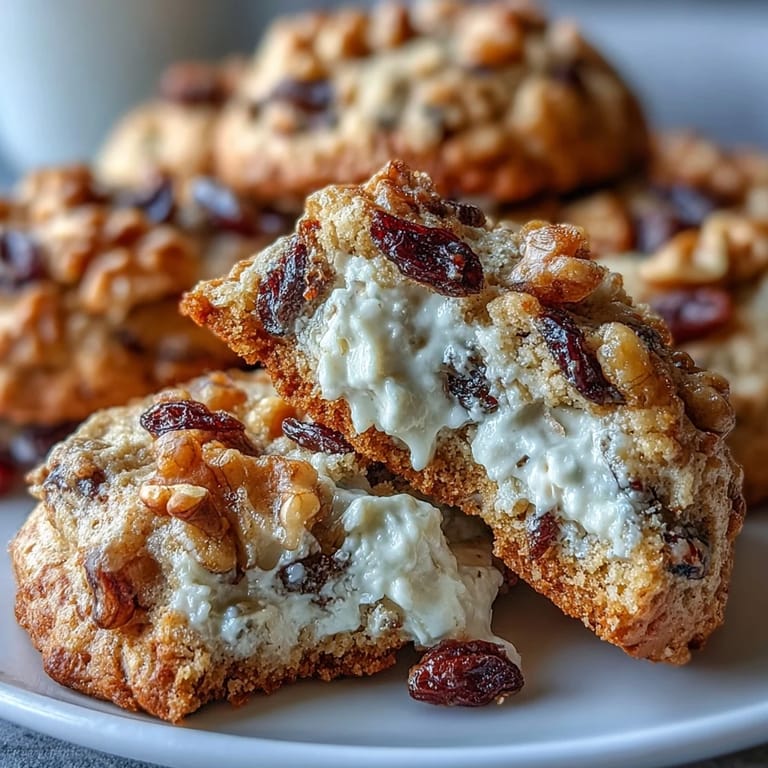
- Raisins: They plump up slightly in the oven and become little pockets of sweetness throughout each cookie.
- Egg and vanilla extract: The egg binds everything, while vanilla rounds out all the warm spice notes you're building.
- Coconut oil or butter: Either works beautifully; I alternate depending on what I have on hand and how rich I want the flavor.
Tired of Takeout? 🥡
Get 10 meals you can make faster than delivery arrives. Seriously.
One email. No spam. Unsubscribe anytime.
Instructions
- Set your stage:
- Preheat to 350°F and line your baking sheet with parchment—this prevents sticking and saves you cleanup time you'll want later.
- Build your dry foundation:
- Whisk oats, flour, baking powder, cinnamon, and salt together in a medium bowl so everything is evenly distributed. This step matters more than it sounds because it prevents pockets of baking powder from creating weird texture.
- Create your creamy base:
- In a larger bowl, combine cottage cheese, brown sugar, honey, egg, vanilla, and melted oil, stirring until the mixture is smooth and cohesive. You want no lumpy cottage cheese hiding in there.
- Bring it together:
- Fold the dry mixture into the wet ingredients gently, stirring just until combined—overworking makes tough cookies, and these are meant to be tender. The dough will look thicker and less uniform than typical cookie dough, which is exactly right.
- Add your mix-ins:
- Fold in raisins and nuts if using, being careful not to crush them.
- Shape and bake:
- Scoop heaping tablespoons onto your prepared sheet, leaving about 2 inches between each cookie, then flatten slightly with the back of a spoon so they bake evenly. They'll look humble going in.
- Watch for golden edges:
- Bake 18–20 minutes until the edges are lightly golden and the centers feel set when you gently press them. They'll continue to firm up as they cool, so don't overbake.
- Cool with patience:
- Let them rest on the sheet for 5 minutes to set, then transfer to a wire rack where they'll finish cooling and become properly structured.
 Save
Save My neighbor smelled them baking one morning and asked if I was running a bakery, which made me realize these aren't just breakfast—they're the kind of thing that makes a house feel like home. Now she has her own batch in her freezer, and we sometimes trade notes about what flavor variations we're testing next.
Storage and Make-Ahead Magic
These cookies actually improve over a couple of days as the oats absorb moisture and flavors deepen, so baking a full batch on Sunday and eating throughout the week is the whole point. Store them in an airtight container at room temperature for up to five days, or freeze them individually wrapped in plastic wrap for up to three months—pull one out the night before and it's ready for your morning.
Flavor Variations Worth Trying
Once you make these once, you'll realize how customizable they are, and that's when the fun begins. The base formula is forgiving enough that you can swap raisins for dried cranberries or chopped dates, add a tiny pinch of nutmeg or fresh orange zest for complexity, or even press a few chocolate chips into the top before baking if you're feeling indulgent on a particular morning.
Making Them Suit Your Needs
If you're navigating dietary restrictions, these adapt well—use certified gluten-free oats and a 1:1 gluten-free flour blend and they'll bake just the same, or skip the nuts entirely if allergies are a concern. The beauty is that you control what goes into them, so you're never stuck with something that doesn't work for your table.
- Pair them with Greek yogurt and fresh fruit for a more substantial breakfast.
- Store extras in your freezer for those mornings when you've overslept.
- Double the batch if you're feeding a crowd or want to have them on hand all week.
 Save
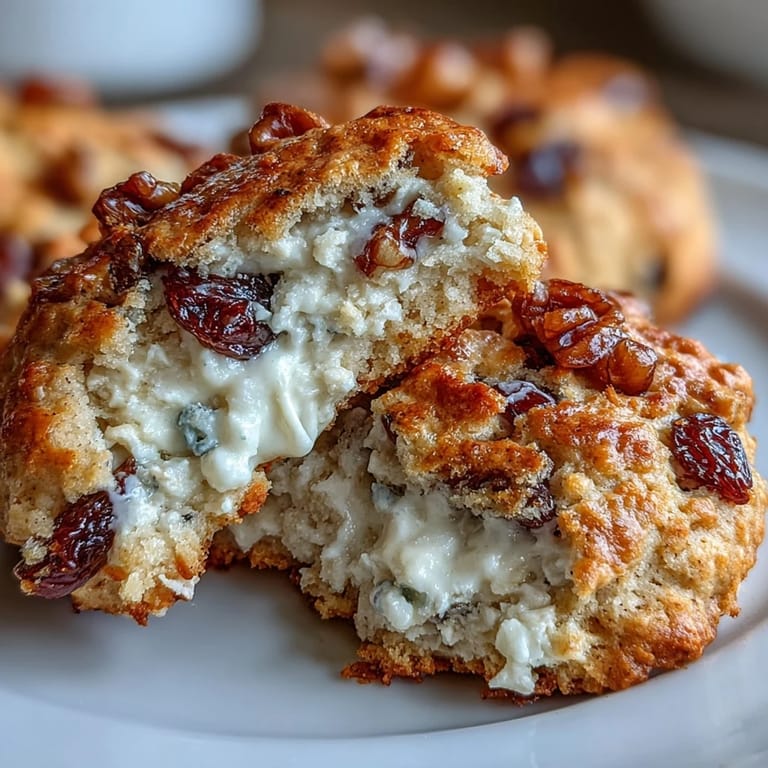
Save These cookies prove that breakfast doesn't have to be rushed or boring, and that using what you have on hand sometimes creates better results than following convention. They're the kind of thing that makes mornings feel a little more intentional.
Recipe FAQs
- → What type of oats work best?
Old-fashioned rolled oats are ideal for texture and flavor, but quick oats can be used for a softer result.
- → Can I substitute the raisins?
Dried cranberries, chopped dates, or chopped apricots make excellent alternatives to raisins.
- → How can I make these gluten-free?
Use certified gluten-free oats and replace whole wheat flour with a gluten-free flour blend to keep the texture consistent.
- → What adds extra moisture to the cookies?
Creamy cottage cheese combined with melted coconut oil or butter provides moisture and tenderness.
- → Are walnuts necessary?
Walnuts or pecans are optional but add a pleasant crunch and nutty flavor.