 Save
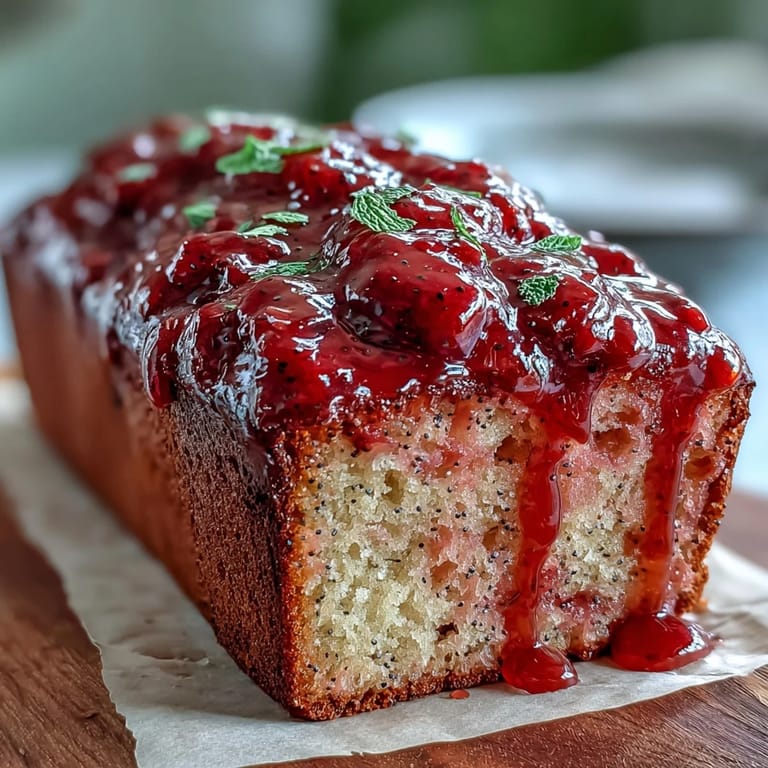
Save I sliced into this loaf on a grey February morning, and the bright coral crumb stopped me mid-bite. Blood oranges had been sitting in a bowl on my counter for days, their jewel-toned flesh almost too beautiful to juice. The poppy seeds gave each slice a gentle crunch, and the marzipan—grated in at the last minute—melted into pockets of sweet almond warmth. It tasted like winter sunshine.
My neighbor knocked on the door just as I pulled this from the oven, drawn by the scent of citrus and butter drifting through the hallway. We ate warm slices with black coffee, and she asked for the recipe before she even finished her piece. That evening, I wrapped half the loaf in parchment and left it on her doorstep with a handful of blood oranges. She texted me a photo of her own attempt two days later, glaze dripping down the sides.
Ingredients
- All-purpose flour: The backbone of the crumb, sifted once to keep it light and tender without any dense spots.
- Baking powder: Just enough lift to keep the loaf airy but still sliceable, not cakey.
- Poppy seeds: They add a faint nuttiness and those tiny dark flecks that make each slice look hand-crafted.
- Unsalted butter: Softened to room temperature so it whips into the sugar without clumping or separating.
- Granulated sugar: Creamed with the zest to release every drop of citrus oil before the eggs go in.
- Blood orange zest: The real secret, grated fine so it disappears into the batter and perfumes every bite.
- Eggs: Large and at room temperature, they blend smoothly and give the loaf structure without turning it heavy.
- Marzipan: Grated on the coarse side of a box grater, it melts into little pockets of almond sweetness throughout.
- Blood orange juice: Freshly squeezed and strained, it gives the batter that gorgeous coral tint and bright citrus punch.
- Whole milk: Balances the acidity of the juice and keeps the crumb soft and close.
- Vanilla extract: A teaspoon rounds out the citrus without competing for attention.
- Powdered sugar: Whisked with more blood orange juice to make a glaze that hardens into a shiny shell.
Tired of Takeout? 🥡
Get 10 meals you can make faster than delivery arrives. Seriously.
One email. No spam. Unsubscribe anytime.
Instructions
- Prep the pan and oven:
- Preheat to 175°C and line your loaf pan with parchment, leaving overhang on the long sides for easy lifting later. Grease the parchment lightly so nothing sticks.
- Mix the dry ingredients:
- Whisk flour, baking powder, salt, and poppy seeds in a medium bowl until the seeds are evenly distributed. Set it aside where you can reach it easily.
- Cream butter, sugar, and zest:
- Beat them together for a full three minutes until the mixture turns pale and fluffy, with the zest releasing its oils into every grain of sugar. Scrape the bowl halfway through.
- Add the eggs:
- Crack them in one at a time, beating well after each addition until the batter looks smooth and glossy. If it looks slightly curdled, keep beating—it will come together.
- Fold in the marzipan:
- Use a spatula to gently fold the grated marzipan through the batter, working just until you see no big clumps. It will soften and melt as it bakes.
- Combine the liquids:
- Whisk blood orange juice, milk, and vanilla in a small bowl or measuring cup. The milk will curdle slightly from the acid—this is normal and helpful.
- Alternate wet and dry:
- Add a third of the flour mixture, then half the liquid, then another third of flour, the rest of the liquid, and finish with the last of the flour. Stir gently after each addition and stop as soon as the flour disappears.
- Bake the loaf:
- Pour the batter into the pan, smooth the top with a spatula, and bake for 45 to 55 minutes. It is done when a toothpick comes out with just a few moist crumbs clinging to it.
- Cool completely:
- Let it sit in the pan for ten minutes, then lift it out using the parchment overhang and set it on a wire rack. Wait until it is fully cool before glazing or the icing will soak in.
- Glaze and serve:
- Whisk powdered sugar and blood orange juice until smooth and just thick enough to coat the back of a spoon. Drizzle it over the top and let it set for fifteen minutes before slicing.
 Save
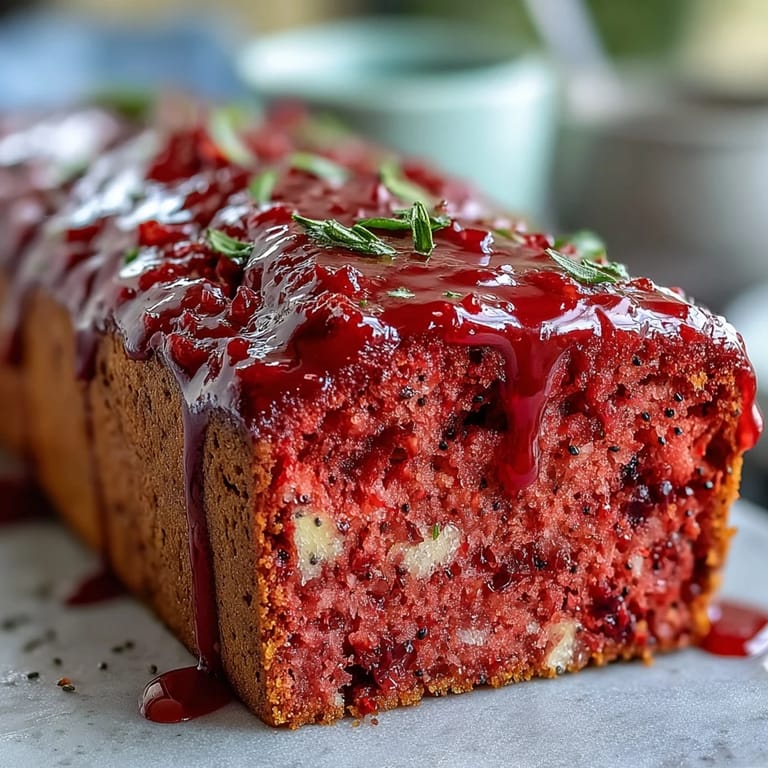
Save This cake made an appearance at a rainy Sunday brunch where no one expected dessert. I sliced it thin and fanned the pieces on a white platter, the glaze catching the light from the window. Someone said it looked too pretty to eat, but within ten minutes only crumbs remained. One guest quietly asked if I would consider baking it for her book club the following month, and I have been making it for small gatherings ever since.
Storing and Serving
This loaf keeps beautifully at room temperature in an airtight container for up to three days, the marzipan ensuring it stays moist without turning dense. I have also wrapped slices individually in parchment and frozen them for up to a month, thawing them at room temperature for an hour before serving. It pairs especially well with Earl Grey tea, the bergamot echoing the citrus, or a chilled glass of Prosecco if you are feeling celebratory. Serve it on its own or with a dollop of lightly sweetened mascarpone.
Flavor Variations
I have made this loaf with regular oranges when blood oranges were out of season, and while it lost the rosy hue, the flavor remained bright and lovely. A splash of Grand Marnier or Cointreau in the glaze adds a grown-up edge that works beautifully for evening gatherings. You can also swap the poppy seeds for finely chopped pistachios, which add a green fleck and a richer, buttery crunch. If marzipan is hard to find, almond paste works just as well, though it is slightly less sweet and more intensely almond-forward.
Troubleshooting and Tips
If the top of your loaf browns too quickly, tent it loosely with foil halfway through baking to protect the crust while the center finishes cooking. A crack down the middle is completely normal and even desirable—it gives the glaze a place to pool and soak in. If your batter looks curdled after adding the eggs, do not panic, the flour will bring it back together as soon as you start folding.
- Let the butter and eggs come to room temperature for at least an hour before starting.
- Zest the oranges before juicing them, it is nearly impossible to zest a juiced orange.
- Wait until the loaf is completely cool before glazing or the icing will melt and disappear into the crumb.
 Save
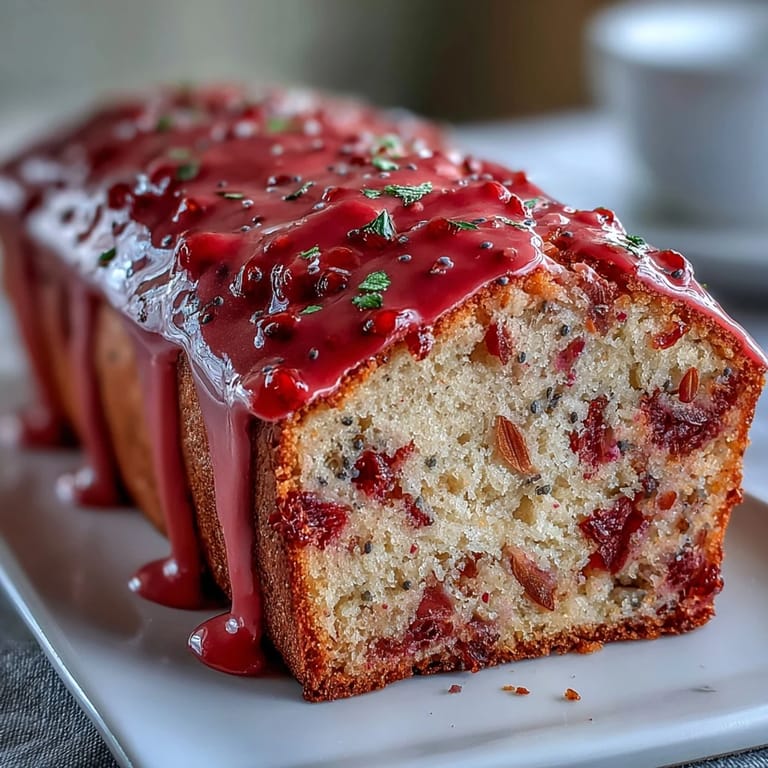
Save This loaf has become my answer to grey skies and quiet mornings when I need something bright on the table. Slice it thick, pour the tea, and let the poppy seeds crackle gently between your teeth.
Recipe FAQs
- → Can I use regular oranges instead of blood oranges?
Yes, you can substitute regular oranges, though you'll lose the distinctive ruby color and slightly berry-like flavor. The cake will still be delicious with a classic orange taste.
- → How do I know when the loaf cake is fully baked?
Insert a toothpick into the center of the cake. If it comes out clean or with just a few moist crumbs, the cake is done. Baking time typically ranges from 45 to 55 minutes.
- → Can I make this cake ahead of time?
Absolutely. This loaf cake stays moist for 2-3 days when stored in an airtight container at room temperature. The flavors often deepen after a day of resting.
- → What can I use if I don't have marzipan?
Almond paste is the best substitute and will provide a deeper almond flavor. Alternatively, you can omit it and add an extra tablespoon of butter for moisture.
- → How should I store leftover cake?
Keep the cake in an airtight container at room temperature for up to 3 days. For longer storage, wrap tightly and freeze for up to 2 months. Thaw at room temperature before serving.
- → Can I add other flavors to this cake?
Definitely. A splash of orange liqueur in the glaze adds sophistication, or you could incorporate cardamom or almond extract into the batter for additional depth.